



On October 10, the conference “Geological and mining heritage of Karelia in education, museums and tourism” opened at the Karelian Research Center RAS. The event was organized by the Karelian Resource Center for Non-governmental Organizations within the project “Industrial Karelia: New Dimensions”. Traditionally, the conference is held in the city of Sortavala. This year, the 15th anniversary event was opened with the support of the Institute of Geology KarRC RAS.
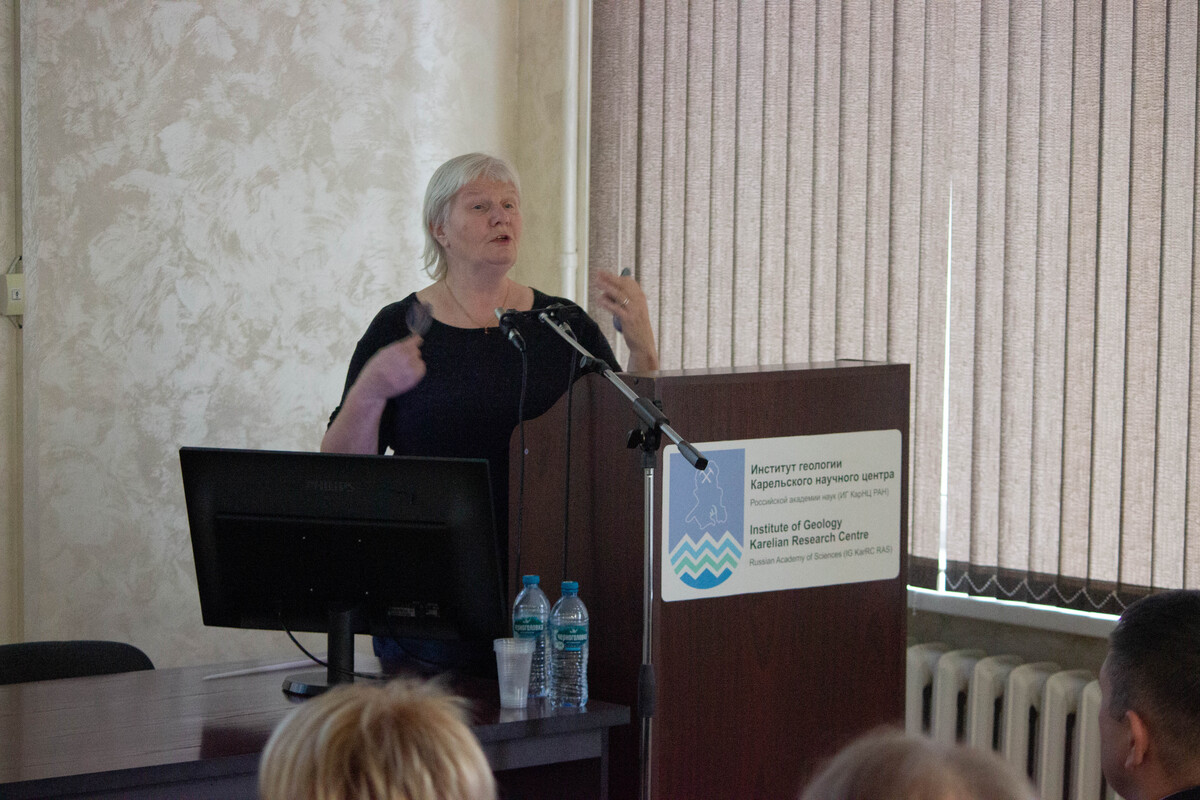
— Today, we are getting engaged in local lore and for our institute it is an opportunity to show the younger generation what ideas permeate our scientific research. The geological heritage for Karelia is one of the major resources that can make our region stand out nationwide! We can now share our experience in its study,- noted Sergey Svetov, Director of the Institute of Geology KarRC RAS, in his welcoming speech.
Around a hundred people took part in the event — students and schoolchildren, local lore experts, museum staff, tour guides, representatives of the Petrozavodsk City Administration, Protected Areas Directorate, and NGOs. The geography of the conference audience and speakers covers Lahdenpohsky, Pudozhsky, Suoyarvsky, Segezhsky, Louhsky and Sortavalsky municipal districts of Karelia and St. Petersburg.
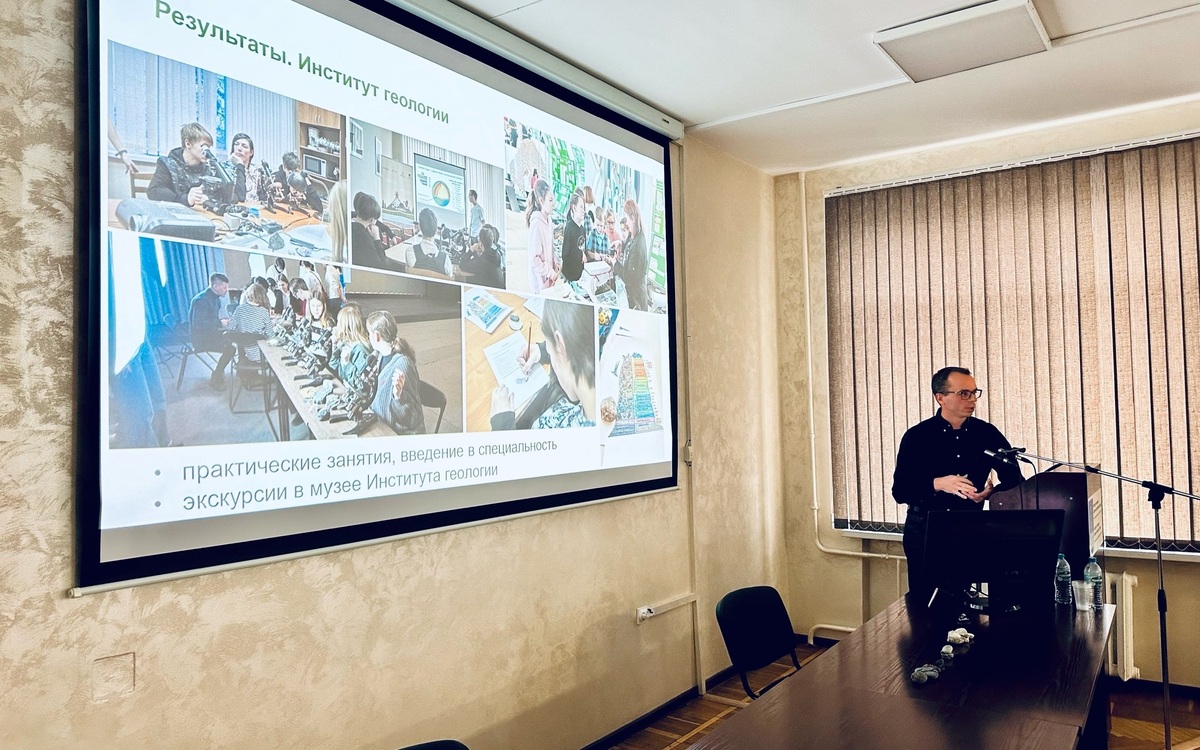
Twenty presentations were given at the conference opening session. Scientists from the Institute of Geology KarRC RAS told about the region's unique geological history and the initiatives that popularize knowledge about geology. These include the exhibition “7 Stones of Karelia that everyone should know”, a series of video lectures and practical classes on GeoKarelia project, and the Girvas Paleovolcano Day.
Some presentations were prepared by schoolchildren and students. They talked about their own experience of studying the shungite beach in the village of Kuzaranda, the Khatunoja gold occurrence, and told about the origins of their interest in geology.
KarRC RAS
in social media


in social media
News
October 11, 2024
Geological local science conference opened at KarRC RAS
The Institute of Geology of the Karelian Research Center RAS became the venue for the conference “Geological and Mining Heritage of Karelia in Education, Museums and Tourism”. Students and schoolchildren, local lore experts, tour guides, representatives of various organizations listened to 20 presentations on unique sites in Karelia, their study and popularization of geological knowledge.
The Institute of Geology of the Karelian Research Center RAS became the venue for the conference “Geological and Mining Heritage of Karelia in Education, Museums and Tourism”. Students and schoolchildren, local lore experts, tour guides, representatives of various organizations listened to 20 presentations on unique sites in Karelia, their study and popularization of geological knowledge.




See also:
January 10, 2026
New light scattering model to help assess and predict the state of marine systems
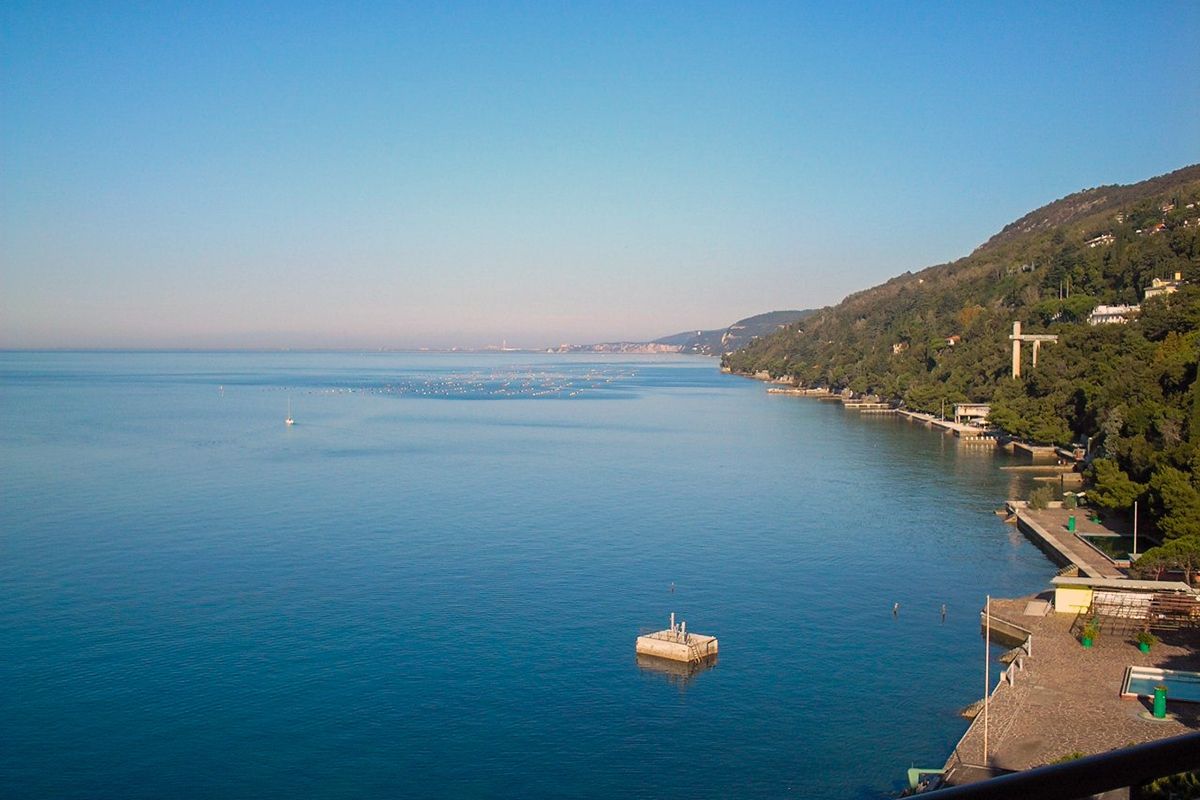
An international research team has developed a three-stream model of light scattering in the sea. It processes satellite data on the incoming and emitted light fluxes into information on water characteristics: presence of impurities, phytoplankton concentration, pollutants, and other parameters. The system of equations for this study was written by Ilya Chernov, Senior Researcher at the Institute of Applied Mathematical Research KarRC RAS. The model has been successfully tested in the Mediterranean Sea, and researchers are interested in trying it in application to the Arctic.
An international research team has developed a three-stream model of light scattering in the sea. It processes satellite data on the incoming and emitted light fluxes into information on water characteristics: presence of impurities, phytoplankton concentration, pollutants, and other parameters. The system of equations for this study was written by Ilya Chernov, Senior Researcher at the Institute of Applied Mathematical Research KarRC RAS. The model has been successfully tested in the Mediterranean Sea, and researchers are interested in trying it in application to the Arctic.

January 8, 2026
Karelian scientists surveyed the Mekong River Delta within a Russia-Vietnam project
Researchers from the Institute of Biology KarRC RAS Viktor Voronin and Dmitry Bityutsky took part in an expedition to the Mekong River Delta in Vietnam, which collected biological material for assessing the ecological status and biological resources of the Mekong Delta using biochemical profiling methods within an international cooperation initiative.
Researchers from the Institute of Biology KarRC RAS Viktor Voronin and Dmitry Bityutsky took part in an expedition to the Mekong River Delta in Vietnam, which collected biological material for assessing the ecological status and biological resources of the Mekong Delta using biochemical profiling methods within an international cooperation initiative.

January 5, 2026
Archaeologist Svetlana Kochkurkina: “I wrote this book out of gratitude to people of Kurkijoki Village”
The new book "Kurkijoki. Archaeology, History, Culture" has turned into a notable event for the academic community, as well as for enthusiasts of Karelian archaeology and history. The authors of the monograph are Svetlana Kochkurkina, Leading Researcher, Archaeology Section ILLH KarRC RAS, and Marina Petrova, Director of the Kurkijoki Local Lore Centre. The work summarizes the findings from many years of research into the archaeology, history, and culture of the Kurkijoki Village and its surroundings.
The new book "Kurkijoki. Archaeology, History, Culture" has turned into a notable event for the academic community, as well as for enthusiasts of Karelian archaeology and history. The authors of the monograph are Svetlana Kochkurkina, Leading Researcher, Archaeology Section ILLH KarRC RAS, and Marina Petrova, Director of the Kurkijoki Local Lore Centre. The work summarizes the findings from many years of research into the archaeology, history, and culture of the Kurkijoki Village and its surroundings.